

Understanding Squatters and How Home Watch Services Can Protect Your Property
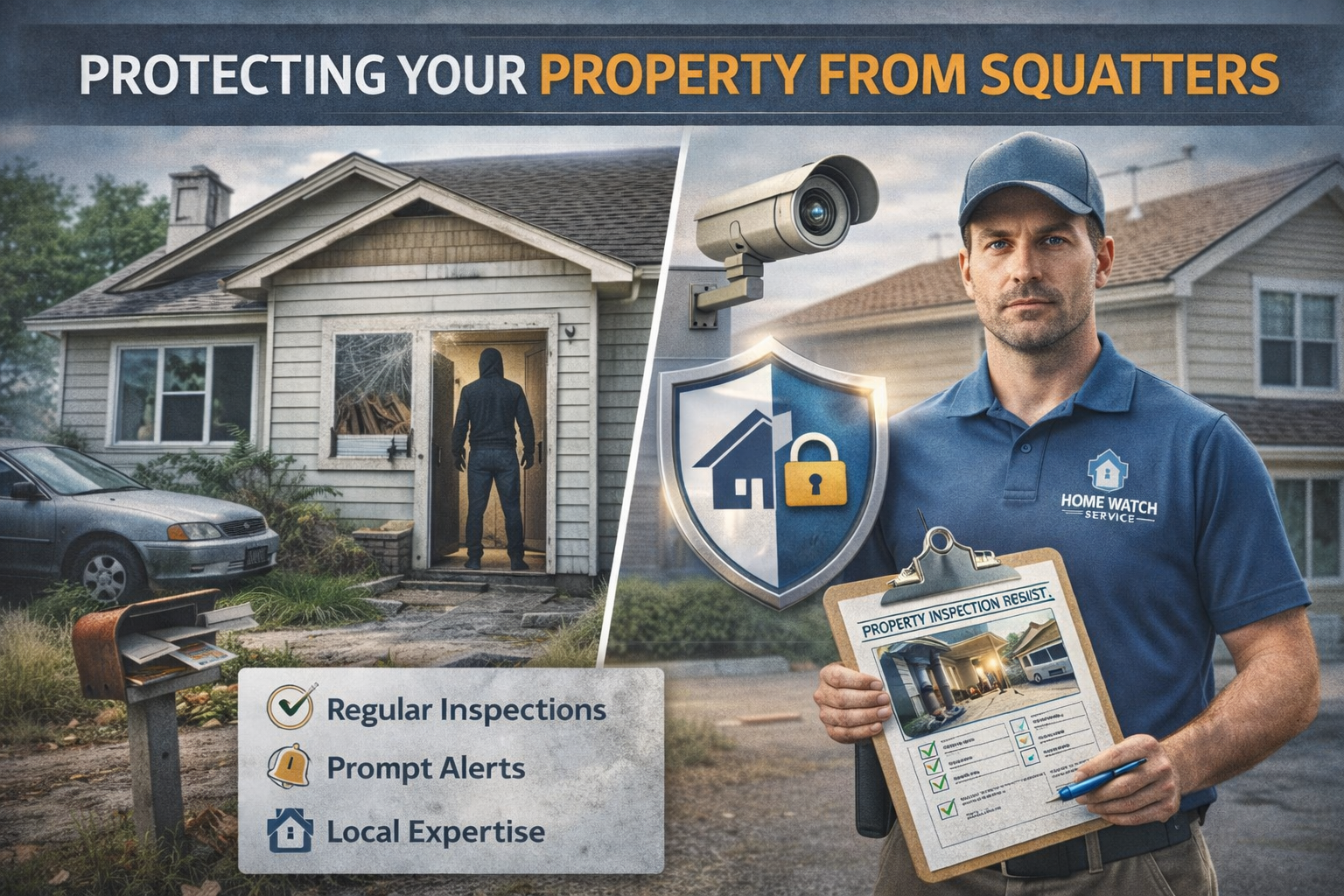
Squatters aren’t just a nuisance — they can pose a serious risk to your property and your finances.
If someone moves into your vacant home without permission, you could find yourself locked in a time-consuming and costly process to remove them — unless you’ve taken the right precautions.
Whether you’re a local or out-of-state owner with property in Northeast Florida, this blog will help you understand who squatters are, how they exploit vacant properties, and how home watch services can offer reliable protection before trouble starts.
What Is a Squatter?
A squatter is someone who enters and occupies a property without legal ownership or the owner’s consent. They’re not tenants, they haven’t signed a lease, and they haven’t been given permission to stay. Most squatters look for:
Vacant, unmonitored homes
Properties under renovation
Seasonal homes or second homes with no consistent presence
They may move in quietly, change locks, and claim to have verbal agreements — creating confusion and delay in removal. And if you’re not actively monitoring the property, weeks or months may pass before you even know someone is there.
Why Squatters Are a Serious Concern for Rental and Vacation Property Owners
Vacant homes in desirable areas like Jacksonville, St. Augustine, or St. Johns County are particularly attractive to squatters. Once they’re inside, here’s what you risk:
🔧 Property Damage
Squatters may cause significant wear, damage, or vandalism to the interior or exterior of the home. And without a lease, there’s no security deposit or agreement to hold them accountable.
💸 Lost Rental Income
If you’re planning to lease or sell the property, an unauthorized occupant can derail that timeline, creating vacancies and lost revenue.
🧾 Legal Costs and Delays
Removing a squatter isn’t always quick — even with laws on your side. If the situation escalates into a civil matter, you may need to involve attorneys and go through formal eviction procedures.
🔐 Liability Exposure
You could be held responsible if injuries occur on the property or if the squatter causes harm to neighbors, community property, or others — all while they’re staying in your home without your consent.
How Florida Law Has Changed — and Why Speed Still Matters
Recent updates to Florida law have strengthened your rights as a property owner. Now, if an unauthorized person enters or stays in your property without permission, law enforcement may have the authority to remove them without requiring a formal eviction process — provided the right evidence is in place.
But this only works if you act quickly and can provide:
Proof of ownership
Documentation showing no lease or rental agreement exists
Evidence that the person entered unlawfully
The longer a squatter stays, the more complex things can get. And that’s where home watch services come in.
What Is a Home Watch Service?
A home watch service is a professional property monitoring solution — ideal for vacant homes, vacation rentals, or investment properties not currently occupied.
These services offer:
Scheduled inspections (weekly, biweekly, or custom intervals)
Exterior and interior checks for signs of intrusion, damage, or neglect
Documented reports with photos and notes
Immediate alerts to you if anything looks suspicious
In short: they help you stay one step ahead of issues, even when you’re miles away.
How Home Watch Services Help Prevent Squatters
Squatters are opportunistic. If a home looks lived-in, regularly checked, or actively maintained, it’s far less likely to be targeted.
Home watch professionals can:
Spot signs of unauthorized entry early
Deter squatters simply by maintaining a visible presence
Coordinate locksmiths or police, if necessary
Help prepare evidence you may need to have the individual removed
Routine visits keep the property active and cared for — which helps preserve your insurance coverage and your peace of mind.
What to Do If You Suspect Squatters Are in Your Property
If you believe someone may be living in your property illegally:
Do not confront them directly.
Contact local law enforcement immediately.
Gather documentation: your deed, past lease agreements, utility records, and anything that proves ownership and occupancy history.
Secure the property as soon as it’s vacant again — including locks, windows, and exterior lighting.
Hire a home watch service to maintain a regular presence going forward.
Tips to Protect Your Property from Squatters
Here’s what every property owner should do if the home will be vacant for any period:
Install security systems with cameras and remote monitoring
Keep utilities running to avoid signs of vacancy
Hire lawn or exterior maintenance crews
Make the home look lived-in (curtains, lighting timers, mail forwarding)
Use a local home watch service to inspect and report regularly
Remember: a vacant home is not invisible — and squatters know how to spot one.
Final Thought: Protect What You’ve Worked Hard to Build
If you’ve invested in a property, your #1 priority should be keeping control of it — even when you’re not physically there. With changing laws and rising property values across Florida, protecting your home from squatters has never been more important.
A professional home watch service acts as your eyes, ears, and early warning system — helping you avoid the stress, costs, and legal hurdles of unauthorized occupants.
Need Help Protecting Your Florida Property?
If you own a rental, vacation, or vacant home in Jacksonville, St. Augustine, St. Johns County, or surrounding areas, CrossView Property Management offers reliable home watch services to help protect your property from squatters and other risks.
Contact us today or visit our website to learn more about how we can help keep your investment secure.