Insurance and Your Investment: What Every Florida Rental Owner Should Know
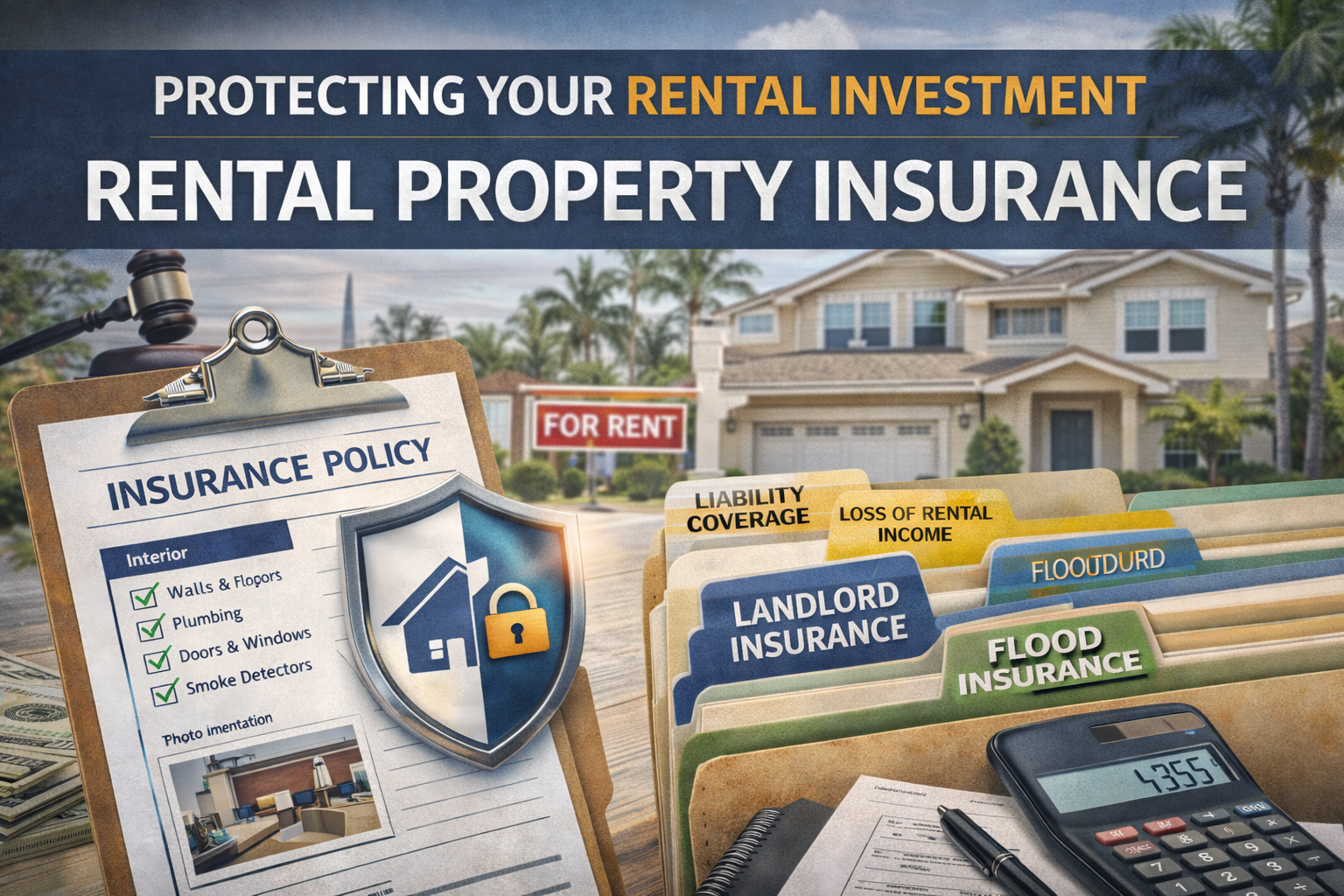
Owning a rental property is an investment — and like any investment, it needs protection.
Insurance isn’t just a lease requirement — it’s a core part of safeguarding your income, your home, and your long‑term financial goals.
In this updated guide, we’ll break down the types of insurance rental owners should consider, what risks those policies cover (and don’t cover), and how to make smarter decisions that protect your investment — especially here in Northeast Florida where storms, heat, and coastal conditions present unique challenges.
Why Insurance Is More Than a “Nice‑to‑Have”
Many new rental owners assume their homeowner’s policy is enough — but once you rent the property out, you transition from a homeowner to a landlord with business risk. Standard homeowner policies typically do not cover rental scenarios, meaning:
Loss of rental income won’t be protected
Liability claims from tenants may be excluded
Damage during a tenancy may not be covered
That’s why a tailored rental insurance strategy matters.
Core Types of Insurance for Rental Owners
🔹 1. Landlord (Dwelling) Insurance
This is the foundation policy for your rental. It generally covers:
Physical damage to the structure from fire, wind, hail, vandalism
Damage from covered events during a tenancy
Damage during vacancy (depending on the policy)
Landlord insurance is designed specifically for homes you do not live in — and protects the walls, roof, and built‑in systems of the home you rent.
📌 Note: Standard homeowner policies usually exclude rental exposure, so switching to landlord coverage is essential once you rent the property out.
🔹 2. Loss of Rental Income Coverage
If your tenant moves out due to a covered loss (like a storm or fire), you could lose months of rental income while repairs happen.
Loss of rental income coverage steps in to replace what you would have earned, helping cover:
Mortgage payments
Property taxes
Utilities you’re still responsible for
Ongoing expenses during repairs
This is especially important in Florida, where storms and weather events can cause extended damage and displacement.
🔹 3. Liability Protection
Accidents happen — and when they do, you want protection.
Liability coverage helps protect you if someone is injured on your property and you’re found legally responsible.
This could include:
Slip‑and‑fall injuries
Accidents in common areas (if you manage a multi‑unit property)
Damage claims beyond what security deposits cover
Without adequate liability limits, you could be exposed to lawsuits that drain your personal assets.
🔹 4. Property and Contents Coverage
In a rental, the tenant usually provides their own personal belongings coverage (renters insurance). But you still may want:
Coverage for landlord‑owned appliances
Coverage for furnishings if you rent the property furnished
Optional endorsements for expensive systems (like HVAC or roof replacements)
Be sure your policy clearly defines who owns what — and what’s covered — to avoid gaps.
What Insurance Doesn’t Cover (So You Stay Prepared)
Insurance protects against many common risks… but it doesn’t cover everything.
Typical exclusions include:
❌ Normal wear and tear
❌ Maintenance issues (like old plumbing leaks)
❌ Pest infestations
❌ Flood damage (requires separate flood insurance)
❌ Intentional damage by tenants (may require claims work)
Because Florida is prone to flooding — especially in coastal and low‑lying areas — a separate flood insurance policy is a smart addition if your property is in a flood‑zone or near water.
How Tenant Screening Impacts Insurance Risk
Good tenant screening isn’t just about peace of mind — it can help reduce insurance claims.
Responsible tenants are:
Less likely to cause property damage
More likely to report issues early
Less likely to put you in disputes that lead to liability claims
Insurers may also consider your tenant history and management practices when assessing risk, so strong screening can protect both your property and your premiums.
Tips to Keep Insurance Costs Manageable
Insurance is necessary — but it doesn’t have to be prohibitively expensive. Consider these strategies:
✔ Compare Quotes Regularly
Different carriers price risk differently. Shopping around can save money.
✔ Review Deductibles
Higher deductibles typically mean lower premiums — but be sure you can cover the deductible if needed.
✔ Maintain the Property
Well‑maintained properties with up‑to‑date systems often cost less to insure.
✔ Bundle Policies
Many carriers offer discounts if you insure multiple properties or bundle landlord policies with other insurance you hold.
✔ Add Loss Control Features
Security systems, smoke detectors, and monitored alarms can lower your risk profile and premiums.
Final Takeaway: Protecting Your Investment Requires Strategy
Rental property insurance isn’t optional — it’s essential.
But “insurance” isn’t a single policy — it’s a layered approach that protects:
The physical structure
Your rental income
Your liability risk
Your financial future
Whether you own a single home in Jacksonville or a small portfolio across Duval, Clay, or St. Johns County, making informed insurance choices protects what you’ve worked hard to build.
Want Help Navigating Insurance for Your Rental?
Insurance can be complex — especially when rules, premiums, and coverage options are constantly evolving.
At Crossview Property Management, we help landlords understand which policies matter most for their investment and how insurance fits into a broader property management strategy.
Visit our website or contact us today to discuss smart insurance planning for your rental property.