
Florida Rentals: Who’s Responsible for Emptying the Septic System?
Under Florida law, landlords are generally responsible for keeping plumbing, including septic systems, in good working order. While tenants must use the system properly, the cost and scheduling of routine septic pumping typically fall to the landlord—unless the lease clearly assigns certain maintenance duties to the tenant.

Florida Rentals: Can a Tenant Put the Lease in Their Business Name?
Florida law does not prohibit leasing a residential property to a business entity, but doing so changes the nature of the agreement. The lease becomes a commercial contract, and the tenant’s personal rights and obligations under the Florida Residential Landlord and Tenant Act may no longer apply unless their personal name is also on the lease.

Looking for Property Management in Neptune Beach? Here’s What Local Owners Should Know
Need help managing your Neptune Beach rental? Even if you’re not local, we are — and we’ve got you covered.
At CrossView Property Management, we’re based in Jacksonville and proudly manage rental properties throughout Neptune Beach. Whether you’re an out-of-town owner or just ready to hand off the day-to-day, we bring peace of mind and professional support close to the coast.

Should Landscaping Be Part of Your Florida Lease?
Florida law doesn’t require landlords or tenants to handle landscaping by default—it’s entirely negotiable. What matters is that your lease clearly states who is responsible for lawn care, tree trimming, and other exterior upkeep to avoid disputes and protect your property’s value.

Why You Can’t Deny ESAs and Other Protected Animals in Florida Rentals
Under Florida law, emotional support animals (ESAs) and service animals are not considered “pets.” Landlords must allow them—even with a no-pet policy—if the tenant meets the legal requirements for verification and documentation.

Why Florida Landlords Should Require Tenants to Have Proper Insurance
Tenant insurance protects your tenant’s belongings and liability—but it also protects you as the landlord. By requiring it in your lease, you can reduce disputes, avoid uncovered losses, and help ensure damages caused by the tenant aren’t coming out of your pocket.

Florida Rentals & Community Amenities: Who Gets Access—You or the Tenant?
In Florida, access to community amenities is generally tied to possession of the property. When you lease your rental, you transfer the right to use those amenities to your tenant for the duration of the lease, unless your lease clearly states otherwise.
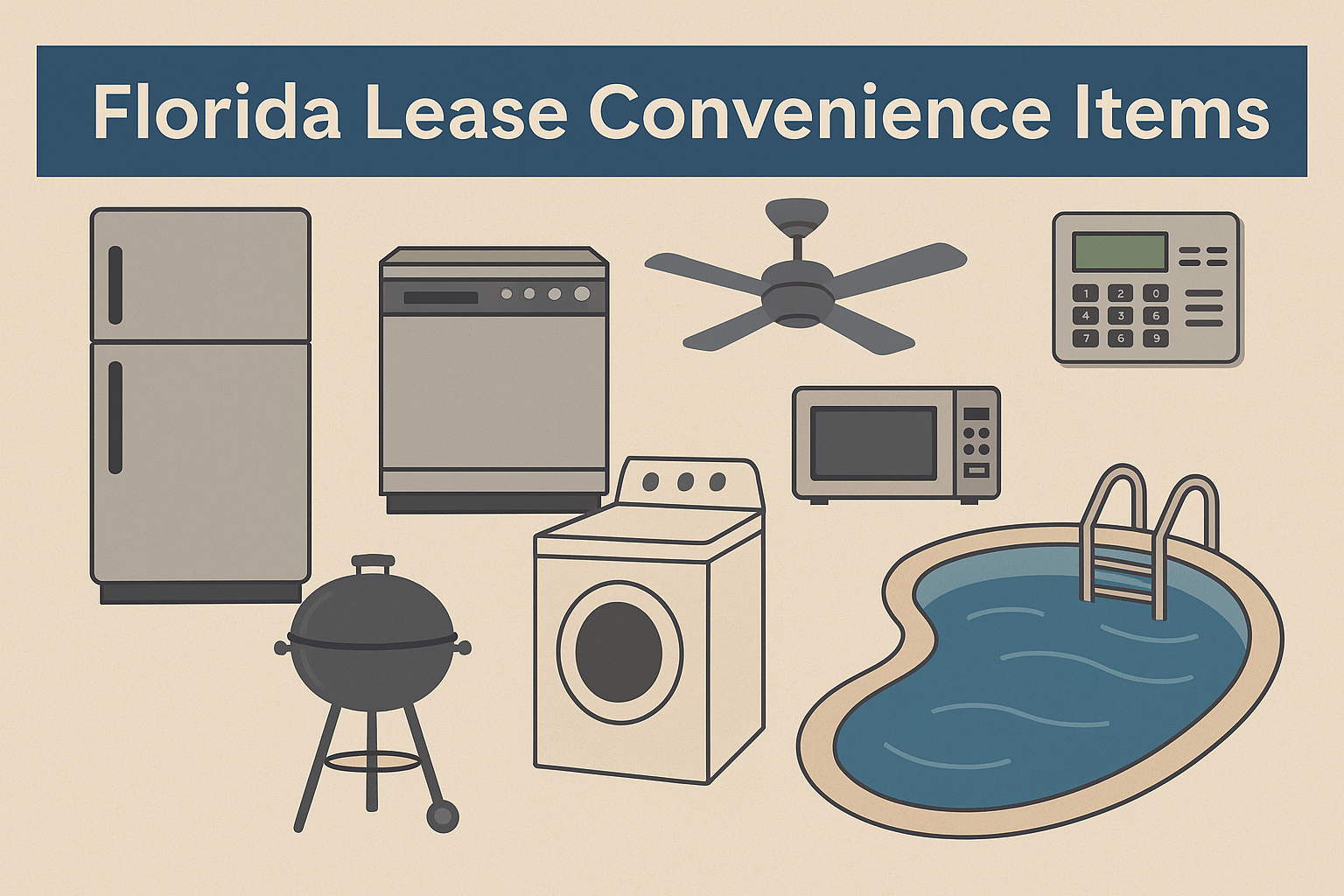
What Are “Convenience Items” in a Florida Lease?
In Florida, “convenience items” are features provided for a tenant’s benefit that are not legally required for habitability. While they can make a rental more appealing, they also come with repair and maintenance considerations that you, as the landlord, should plan for in the lease.

What Happens in Florida If Your Tenant Dies?
In Florida, a tenant’s death doesn’t automatically end the lease. You must follow specific steps to handle the lease, property, and belongings—while respecting legal timelines and the rights of the tenant’s estate.
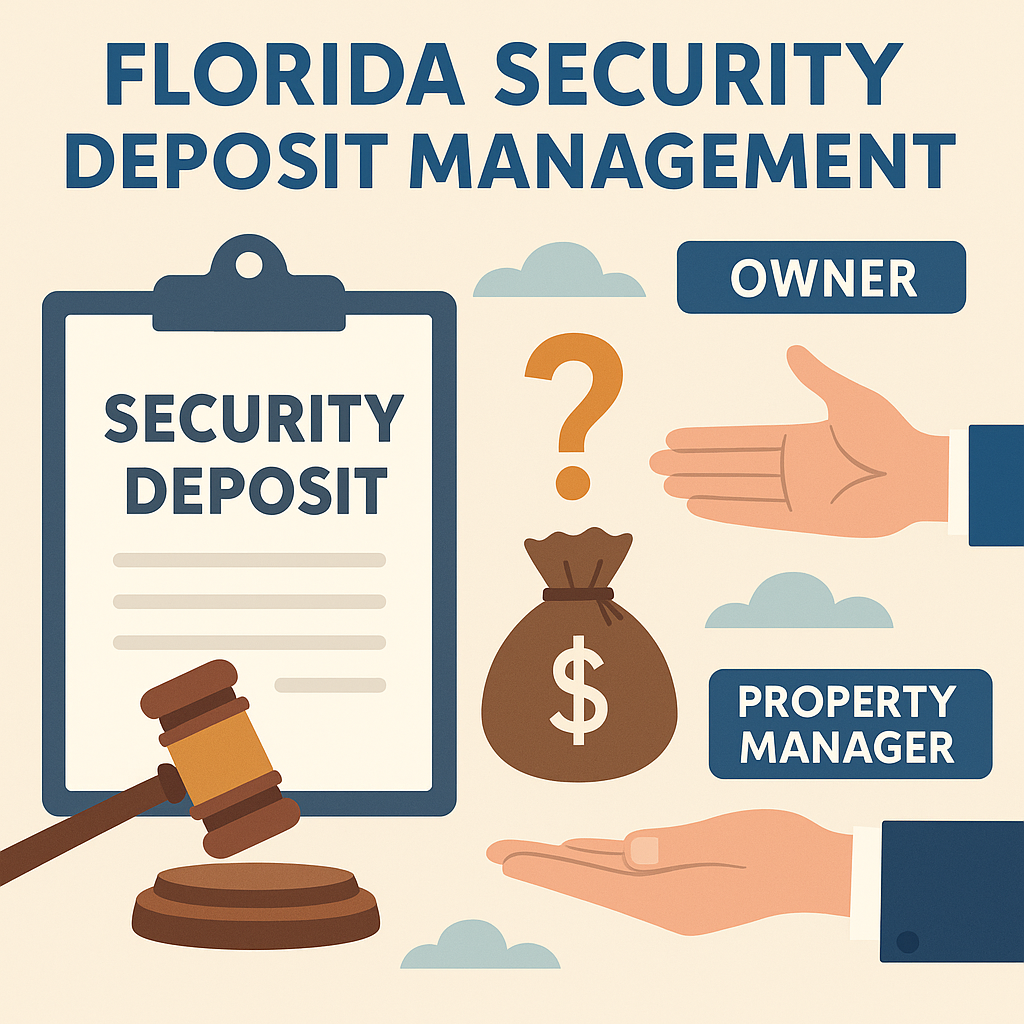
Owner vs. Property Manager: Who Should Hold the Security Deposit in Florida?
Florida law sets clear rules for how security deposits must be managed. While you can hold the deposit yourself, a qualified property manager can take on the legal burden, ensure timely handling, and help protect your investment—all within the bounds of Florida Statutes.

Should You Sign a 1-Year Lease or a 2-Year Lease in Florida?
Is a longer lease term—like two years—worth locking into, or is sticking with a standard one-year agreement better for your rental property?
Florida law allows both one-year and two-year leases, provided they’re in writing. While recent legislative updates have simplified longer lease execution, each option comes with strategic advantages and potential trade-offs.
Property Management in Nocatee: What Owners Need to Know Before Hiring Help
Nocatee isn’t just one of the fastest-growing communities in Northeast Florida — it’s also a highly desirable area for renters. But that doesn’t mean managing a rental here is easy.
If you own a rental property in Nocatee, you already know how unique this master-planned community is. With its mix of family-friendly neighborhoods, walkable town centers, A-rated amenities, and proximity to both Jacksonville and St. Augustine, it offers strong rental potential — but also specific management challenges.
At CrossView Property Management, we specialize in serving communities like Nocatee. Here’s what you should know if you're considering hiring a local property manager for your Nocatee rental.

Should You Let Your Tenant Make Changes to Your Rental Home in Florida?
Can tenants legally make changes or improvements to your property without your permission?
In Florida, alterations or improvements by tenants are generally not allowed unless the tenant has your explicit, written permission. Otherwise, you run the risk of losing control over fixtures, facing unexpected restoration costs, or dealing with disputes.
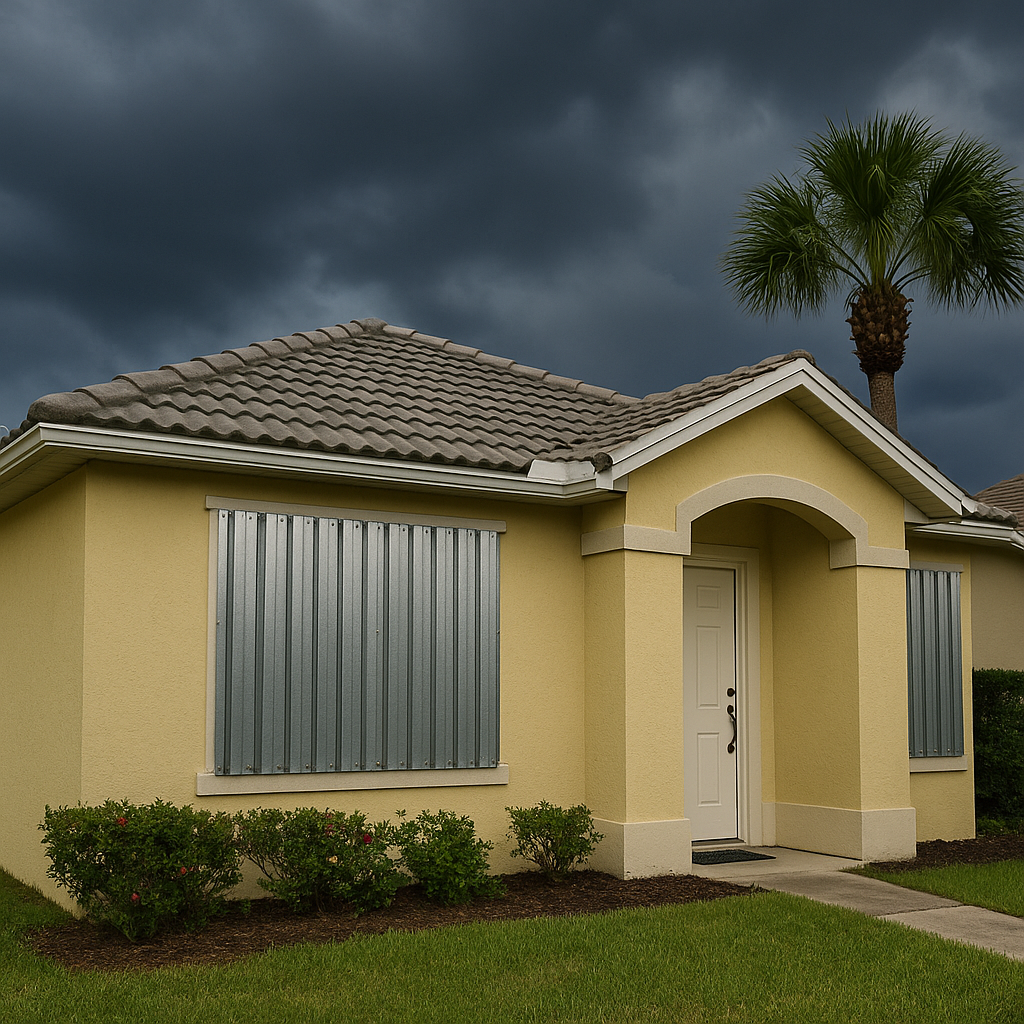
Who Is Responsible for Storm Protection in My Florida Rental?
Under current Florida law, landlords are not legally required to provide storm protection measures—such as installing hurricane shutters or boarding up windows—unless that duty is explicitly included in the lease.
Looking for Property Management in Jacksonville Beach? Here’s What Local Owners Should Know
Not based in Jacksonville Beach but need a reliable property manager who is? You’re in the right place.
At CrossView Property Management, we're based right here in Jacksonville — and we proudly manage rental homes throughout Jacksonville Beach. Whether you live out of town or you're just tired of the day-to-day hassle of self-management, we're here to make owning property in Jax Beach easier and more rewarding.

Weighing the Benefits and Drawbacks of a Lease Termination Option Upon Sale in Florida
Should you include a clause that allows you to terminate the lease early if the property is sold?
Florida law generally requires existing leases to be honored after a sale, so including an early termination option comes with both strategic advantages and legal trade-offs. Understanding the implications helps you decide whether it's right for your property and peace of mind.

Why You May Be Better Off Without a Hold‑Harmless Clause in Your Florida Lease
Should you avoid inserting a hold-harmless clause in your Florida residential lease?
Yes—Steering clear of hold-harmless clauses often protects you from legal challenges. Florida law treats these clauses with strict scrutiny, limits their scope, and sometimes even prohibits them in residential leases—making them more trouble than they’re worth for responsible property management.

Why You Shouldn’t Rent Out a Home in Need of Repairs After Move‑In
What risks do you face when renting out a home in Jacksonville, FL before completing necessary repairs?
Renting a home with outstanding issues creates legal risks under Florida landlord responsibilities, leads to tenant disputes, and weakens your standing as a professional in rental property management.

Are You Accidentally Breaking Florida Law with Your Rental?
Are you unknowingly violating Florida law as a rental owner—and risking legal trouble?
Here are key landlord obligations under Florida law—covering security deposits, entry rules, habitability standards, and prohibited actions—so you can avoid costly mistakes and remain compliant in the Jacksonville area.

10 Smart Questions to Ask Before Hiring a Property Management Company
Not all property managers are created equal. So how do you find one who will truly protect your investment and make your life easier?
These 10 questions go beyond the basics. They’re designed to uncover how a property management company thinks, operates, and prioritizes your goals—so you can choose a partner who’s proactive, transparent, and aligned with your needs.