

Guarding Your Investment: Why Tenant Screening Matters in Today’s Rental Market
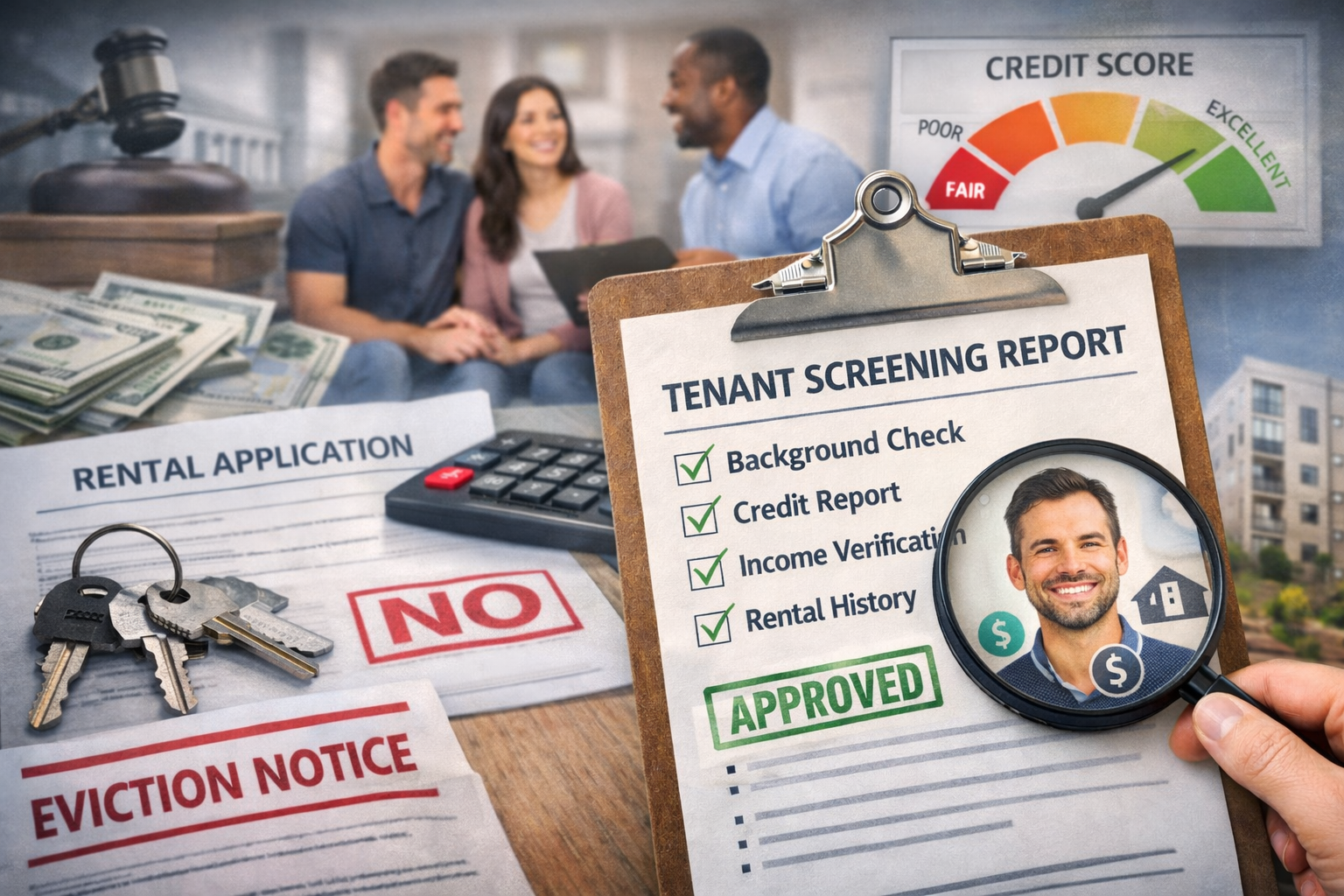
Finding the right tenant isn’t luck — it’s strategy.
Proper tenant screening is one of the most effective ways to protect your rental property, your income, and your peace of mind. The right screening process helps you avoid costly problems like unpaid rent, property damage, frequent turnovers, or even legal disputes.
This guide explains why tenant screening is crucial, what a thorough screening process looks like, and how it benefits you as a rental property owner — especially here in Northeast Florida (Jacksonville, St. Johns, Clay, and Duval Counties).
What Is Tenant Screening — and Why Does It Matter?
Tenant screening is the process of evaluating a rental applicant’s background to determine whether they are a good fit for your property and lease terms. It helps answer key questions before you sign a lease:
Can this person pay rent on time?
Do they have a history of property damage?
Are they likely to follow community rules and respect the home?
Do they have a stable rental or financial history?
Without screening, you’re essentially renting based on hope — not evidence.
The Real Cost of Skipping Tenant Screening
Some owners decide to self-manage and skip or rush the screening process. While it may save time now, it can cost thousands later.
Here’s what can go wrong without proper screening:
Late or missed rent payments
Unpaid balances and debt collection headaches
Property damage that exceeds the security deposit
Lease violations like unauthorized occupants or pets
Lengthy and expensive eviction proceedings
These scenarios aren’t rare — and in today’s rental market, they often involve tenants who know how to navigate gaps in screening and lease enforcement.
That’s exactly why most professional property managers emphasize strong screening upfront: to protect you before a problem ever starts.
What a Strong Tenant Screening Process Includes
A thorough screening process gathers multiple data points to evaluate risk and reliability. A strong screening generally includes:
🧾 1. Rental History Verification
Contacting former landlords to confirm:
On‑time rent payments
Length of tenancy
Maintenance and property care
Lease compliance
Rental history tells you more about future behavior than any other metric.
💼 2. Income and Employment Verification
A solid rule of thumb is that rent should be roughly 30% or less of gross income.
Verifying employment and income helps ensure the applicant can reasonably afford the home long‑term.
📊 3. Credit Review
A credit check reports:
Payment history
Outstanding debt
Collections or bankruptcies
While credit scores aren’t everything, they often correlate with financial responsibility.
🚓 4. Criminal Background Check
Safety matters — for your property, your neighbors, and the community.
Background checks help you identify serious legal issues that could affect lease compliance or community peace.
📞 5. Reference Checks
Talking with references — both professional and personal — gives deeper insight into an applicant’s character.
How Screening Protects Your Property Value
Proper screening does more than reduce risk — it protects the value of your investment:
Lower turnover — good tenants stay longer
Less unexpected maintenance — responsible residents care for the home
Fewer legal issues — compliant tenants follow lease and community rules
Better neighborhood relations — screened tenants respect neighbors and common areas
Across the rental market, owners who screen thoroughly typically see higher overall returns and fewer long-term headaches.
Common Screening Mistakes to Avoid
Even when landlords try to screen tenants, mistakes happen. Here’s what to watch out for:
❌ Relying only on credit scores
Credit is important — but it’s just one part of a complete picture.
❌ Skipping landlord references
Someone can look great on paper but have a poor rental history.
❌ Ignoring eviction history
A past eviction may signal risks you don’t want to inherit.
❌ Inconsistent screening criteria
Treating applicants differently can expose you to fair‑housing claims.
Fair Housing Compliance
In every step of tenant screening, it’s essential to stay within Fair Housing laws.
This means you must:
Apply the same screening criteria to every applicant
Avoid questions or decisions based on protected characteristics
Document decisions consistently to demonstrate fairness
Professional property managers build screening processes that protect owners and comply with the law.
The Tenant Screening Advantage for Northeast Florida Owners
In markets like Jacksonville, St. Johns, Clay, and Duval Counties, tenants come from diverse backgrounds. The rental demand is strong — but that also means more applicants who may look attractive at first glance.
Screening helps you:
✔ Separate strong applicants from risky ones
✔ Reduce vacancy turnaround times
✔ Support community harmony in HOA or master‑planned neighborhoods
✔ Make better decisions based on data, not assumptions
Should You Screen Yourself — or Let a Property Manager Do It?
You can screen tenants on your own if you understand:
Legal compliance requirements
How to interpret credit and background reports
How to document decisions properly
How to communicate consistently with applicants
However, many owners find value in professional screening because it:
Uses proven systems and criteria
Minimizes legal risk
Takes the guesswork out of evaluating applications
Helps ensure compliance with local and federal law
Final Thought: Screening Isn’t Optional — It’s Strategic
Treat tenant screening as an investment, not a hurdle.
The time you spend vetting applicants upfront is nothing compared to the time, cost, and stress of dealing with a problematic tenant later.
Better screening means fewer surprises — and a stronger rental return over time.
Want Professional Screening Support?
If you own a rental in Northeast Florida and want help finding qualified tenants who are likely to pay on time, care for your property, and follow lease terms — we’re here to help.
Visit our website or contact us today to learn how CrossView Property Management screens tenants for long‑term success.